
How to Clean a Kitchen Sink
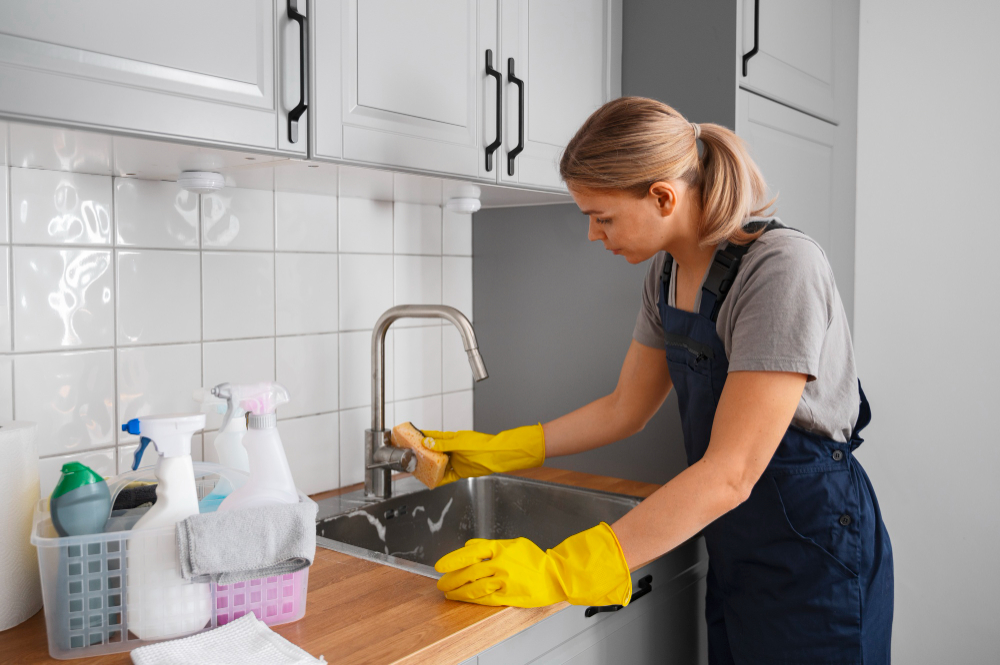
Along with learning how to clean a kitchen sink, it is also important to know how to keep a kitchen sink clean so that you may not require frequent cleaning of the sink.
- Rinse the sink after every use.
- Don’t pour the grease and oily liquids directly into the drain.
- Always use sink strainers when cleaning sinks.
- Use warm water for washing utensils and hot water for washing greasy and oily dishes.
- Throw the leftover particles into the dustbin before washing the plates.
- Try to wash the utensils immediately after use, as when you keep the plates as they are after eating, the leftover food particles become dried, and cleaning such plates will be difficult for you, also it will make the sink dirty.
- Use gentle cleaners for cleaning the sink and avoid using those with harsh chemicals.
When it comes to kitchen cleaning, one of the major areas that is overlooked is the kitchen sink. Often, we don’t pay much heed to cleaning the sink or simply wipe it, but did you know that a kitchen sink contains more germs than a toilet? Just wiping the sink is not enough. You must learn how to clean a kitchen sink to maintain hygiene in your kitchen.
We only clean the kitchen sink when it starts giving out a bad odour; definitely, you will have to clean it at that time, but it’s also necessary to clean your kitchen sink regularly. Regular cleaning of the kitchen sink will ensure that you wash utensils in a clean and germ-free sink.
Most of the time, you use commercial cleaners, but how about using natural ingredients for cleaning the sink?? In this guide, we will see some methods on how to clean a kitchen sink using simple home ingredients and the preventive measures to keep the kitchen sink clean.
What Causes Dirty Kitchen Sinks?
Kitchen sinks can no doubt become one of the dirtiest spots in the kitchen because they are constantly exposed to food particles and grease. Leftover food particles on the dishes can stick on the sink surface, making the sink dirty and giving out a bad odour. Dishwashing soap scums can also leave a thin, cloudy layer on the sink surface when water splashes dry.
If you have a hard water supply, then your kitchen sink must become dirty very quickly. Hard water has high mineral content, and it can leave mineral deposits and chalky white stains on the sink and around the drain. Due to constant moisture, sinks are more prone to mold and mildew growth, which is another reason for kitchen sinks becoming dirty.
How to Clean a Kitchen Sink- A Step-by-Step Guide
So far, you have always been using commercial cleaners for cleaning a kitchen sink, but now let’s see how to clean a kitchen sink naturally.
How to Clean a Kitchen Sink – Method 1: Use Dish Soap
What You Need
- Hot Water
- Dishwashing Liquid
- Spray Bottle
- Microfiber Cloth
Steps
- Mix 1 tablespoon of dishwashing liquid into 1 cup of water and mix it well.
- Pour this solution into the spray bottle.
- Spray this solution all over the sink, including the drain.
- Take a microfiber cloth and gently rub it over the sink for 2-3 minutes. Pay extra attention to stains (if any).
- After that, rinse the sink with warm water.
- Then take a dry cloth to wipe the entire sink.
How to Clean a Kitchen Sink – Method 2: Use Baking Soda and Vinegar
What You Need
- Baking Soda
- Vinegar
- Brush/Sponge
Steps
- Generously sprinkle some amount of baking soda all over the sink.
- Leave it for 10-15 minutes.
- Then pour white vinegar over the baking soda, and it will create a fizz.
- Leave it for 5 minutes.
- Then use a brush or sponge and rub it all over the sink, especially on the stains.
- Rinse the sink.
- Take a dry cloth to wipe the entire sink
How to Clean a Kitchen Sink – Method 3: Use Baking Soda and Lemon
What You Need
- Baking Soda
- Lemon
- Brush/Sponge
Steps
- Generously sprinkle some amount of baking soda all over the sink.
- Leave it for 10-15 minutes.
- Then squeeze lemon over the baking soda, and it will create a fizz.
- Leave it for 5 minutes.
- Then use a brush or sponge and rub it all over the sink, especially on the stains.
- Rinse the sink.
- Take a dry cloth to wipe the entire sink
How to Clean a Kitchen Sink – Method 4: Use Salt and Lemon
What You Need
- Salt
- Lemon
- Sponge
Steps
- Rinse the sink with warm water to remove any dirt from the sink.
- Sprinkle a generous amount of salt all over the sink.
- Cut a lemon in half and scrub the sink with it.
- Slightly squeeze the lemon juice to remove the grease from the sink.
- Leave it for 15-20 minutes.
- Then gently scrub with the help of a sponge.
- Rinse the sink.
- Take a dry cloth to wipe the entire sink
How to Clean a Kitchen Sink – Method 5: Use Baking Soda and Hydrogen Peroxide
What You Need
- Baking Soda
- Hydrogen Peroxide
- Sponge
Steps
- Take ½ cup of baking soda and 2-3 tbsp of hydrogen peroxide.
- Mix both ingredients well to create a paste.
- Apply this paste over the entire sink.
- Leave it for 20 minus.
- Then take a sponge and scrub gently to remove stains and grime from the sink.
- Rinse the sink.
- Take a dry cloth to wipe the entire sink
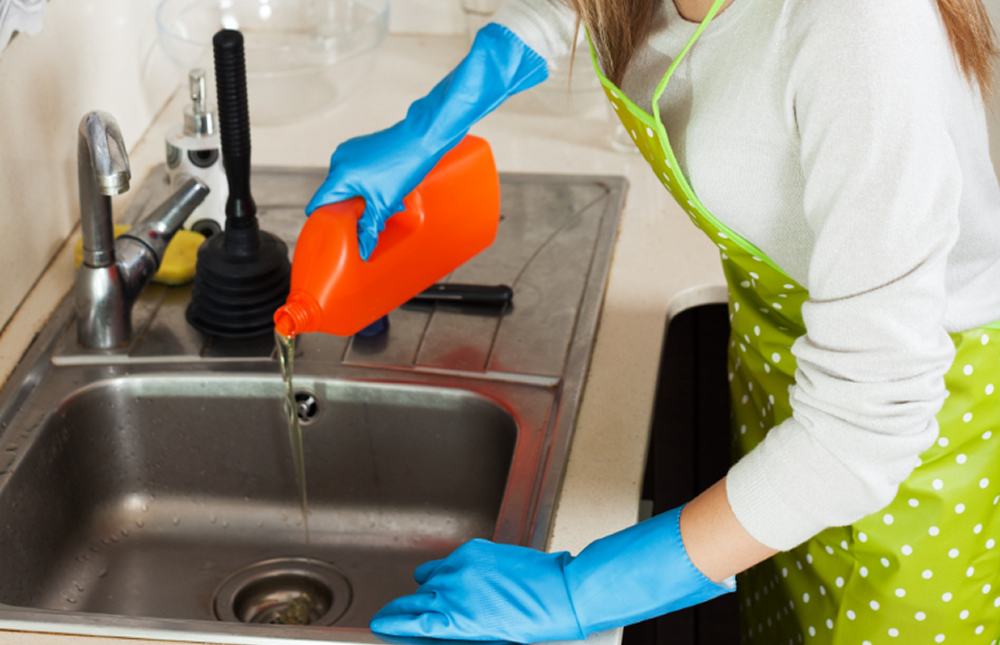
Preventive Measures to Keep the Sink Clean
Along with learning how to clean a kitchen sink, it is also important to know how to keep a kitchen sink clean so that you may not require frequent cleaning of the sink.
- Rinse the sink after every use.
- Don’t pour the grease and oily liquids directly into the drain.
- Always use sink strainers when cleaning sinks.
- Use warm water for washing utensils and hot water for washing greasy and oily dishes.
- Throw the leftover particles into the dustbin before washing the plates.
- Try to wash the utensils immediately after use, as when you keep the plates as they are after eating, the leftover food particles become dried, and cleaning such plates will be difficult for you, also it will make the sink dirty.
- Use gentle cleaners for cleaning the sink and avoid using those with harsh chemicals.
Cleaning a kitchen sink does not always require the use of harsh chemicals. It can easily be done with natural ingredients like baking soda, vinegar and lemon. These ingredients are widely used as natural cleaners, so why not use them to clean your kitchen sink? And you will see that using natural products will give you better results than commercial cleaners.
Maintaining a clean kitchen sink is not just about hygiene but also about making your kitchen look fresh and organized all the time. If you follow the above mentioned steps, you will notice that your kitchen sink will not only remain clean but also stay odor free as natural ingredients like baking soda also works as a natural deodorizer.
So follow this easy guide on how to clean a kitchen sink, keep your sink clean and hygienic all the time.
For more kitchen-related tips, explore our Kitchen Guides.