
How to Keep Kitchen Sink Clean
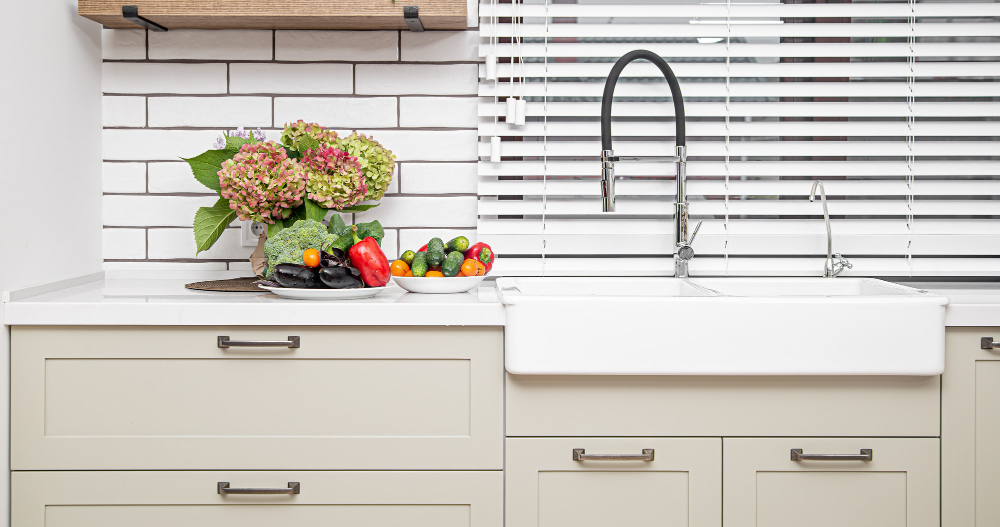
How to keep kitchen sink clean is one of the most asked questions by homemakers. From washing hands to cleaning meat, scrubbing oily dishes, and whatnot, we use the kitchen sink for so many activities, and that’s why it becomes difficult to keep it clean all the time. Cleaning a kitchen sink is one thing and keeping it clean all the time is another thing. Simply cleaning a kitchen sink once a week is not enough. You have to take the steps to keep it clean every time you use it.
If you are struggling with how to keep the kitchen sink clean all the time, along with the regular cleaning, then this guide is for you. In this guide, we will see some of the effective tips on how to keep kitchen sink clean and how to remove bad smells from the kitchen sink.
How to Keep Kitchen Sink Clean - Tip # 1: Rinse After Every Use
The first and simplest tip is to rinse the sink after every use to keep it clean. Rinsing the sink ensures that you remove the leftover food debris and the grease. If you do not remove the food debris from the sink, then they can become hard over time and difficult to clean so it is advisable to clean them right away.
Rinse the sink with warm water after you wash the dishes. The warm water will help to break the grease that comes along with dirty dishes. So to keep your sink clean, rinse it thoroughly after every use.
How to Keep Kitchen Sink Clean - Tip # 2: Wipe the Sink Surface
Wiping the kitchen sink is also an effective way to keep the sink clean. After you have rinsed the sink, wipe it with a clean sponge or a microfiber cloth. You can also damp the sponge or microfiber cloth and then wipe the sink surface.
When wiping, pay attention to the corners, edges, and drain as these areas tend to gather grease and grime. And if these areas are not wiped properly, then they become a source for germs and bacteria to grow. Try to keep a clean sponge or a microfiber cloth near the sink so every time you use the sink, you can immediately wipe it .
How to Keep Kitchen Sink Clean - Tip # 3: Wash the Utensils Immediately After Use
Make it a habit of washing the utensils immediately after you have used them. When you leave the dishes and plates as they are after eating, the leftover food residues dry up, and it becomes difficult to clean them later. It also leaves stubborn marks on the dishes, which are very difficult to clean.
Leaving the dishes as they are after eating not only makes them difficult to clean afterward but also makes the sink dirty and smelly. It can become an easier source for bacterial growth in the dishes and sink. So by washing the dishes right away, you can keep your sink clean and avoid bad smells.
How to Keep Kitchen Sink Clean - Tip # 4: Clear the Plates Before Washing
Before washing the dishes, make sure to clear the plates and dispose of any leftover residues of the food. When you wash the dishes with leftover residues on them, the solid waste will enter into the sink and will clog the drain. Food particles left in the sink can decompose quickly and become a source of bacterial growth and odour coming from the sink.
In addition to this, make it a habit of wiping off the dishes with tissue paper before putting them into the sink for cleaning. It will make the dishwashing process simpler and easier for you. So to keep the sink free from food debris , clear the plates properly before washing.
How to Keep Kitchen Sink Clean - Tip # 5: Use Warm Water to Wash Utensils
When washing greasy utensils, always use warm water. Warm water helps to loosen the grease easily from the utensils. It also helps to dissolve any grease in the sink and prevent the grease from sticking into the sink.
When washing the dishes with warm water, you will realize that it requires less scrubbing and effort to clean. Also, when you rinse the sink after washing utensils, use warm water to ensure that all the greasy residues are removed.
How to Keep Kitchen Sink Clean - Tip # 6: Use Sink Strainer
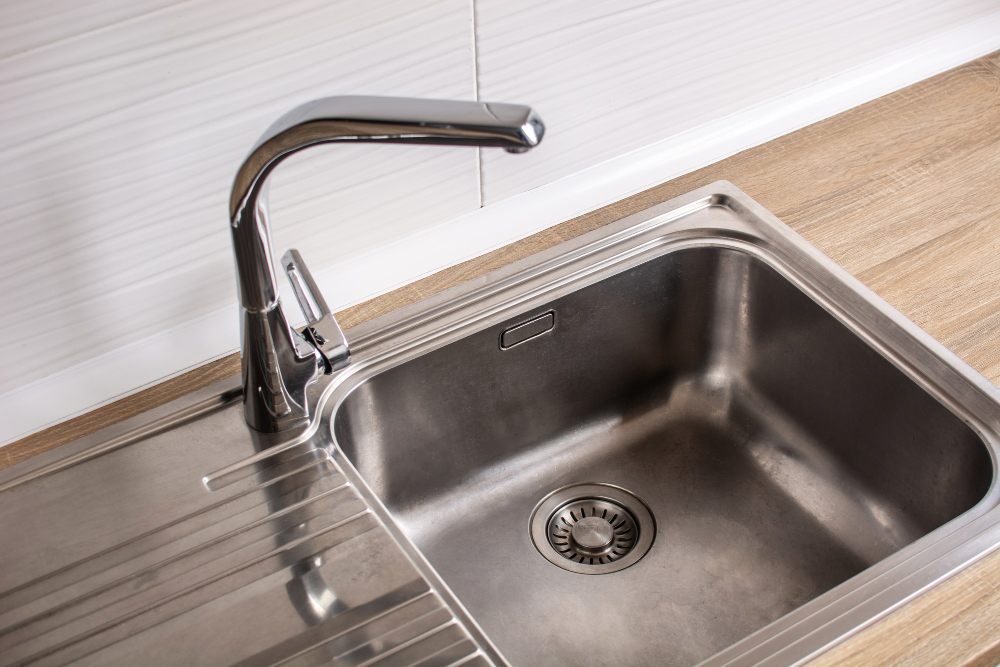
Use a sink strainer to keep your sink free from trapping food debris and particles. A sink strainer will catch any food particles that are left in the utensils and prevent them from entering the sink. It reduces the chances of sink blockage and prevents odor that comes from the sink due to stuck food particles.
Along with using the sink strainer, also make sure to clean it regularly so that it does not become clogged due to trapped food particles. Empty the sink strainer after every time you have washed utensils. To keep the sink strainer clean, rinse it off with hot water and dish soap. This tip will effectively save you from frequent drain cleaning.
How to Keep Kitchen Sink Clean - Tip # 7: Clean the Drain Regularly
To keep your kitchen sink clean, clean the drain regularly. It is advisable to clean the kitchen sink drain at least once a week to prevent clogs. Cleaning the drain regularly helps to dissolve any buildup of grease and grime in the drain.
Try using baking soda and vinegar as an effective way to clean the drain. Pour enough baking soda to cover the drain fully, and then pour a few drops of white vinegar to create a fizz. Leave the sink as it is for 15-20 minutes and then flush the drain with hot water to remove dirt and grease buildup in the drain.
How to Keep Kitchen Sink Clean - Tip # 8: Avoid Pouring Grease Down the Drain
Avoid pouring any kind of grease, oil, or fat down the drain, as when such substances cool, they solidify and stick inside the pipe, ultimately leading to clogs. Greasy drains can lead to germs building up in the drain and create an unpleasant odour. Even a small amount of grease creates a clog and blockage that restricts the water flow from the pipes. So instead of disposing of the oil into the sink, pour it into a separate container and then throw it in the trash.
How to Keep Kitchen Sink Clean - Tip # 9: Clean Sponges and Brushes Regularly
To keep the kitchen sink clean, it is important to clean the sponges and brushes you use for washing utensils. Moisture and food particles trapped in the sponges can become a source of bacteria and germs to grow in them, and it’s not hygienic to wash utensils with such sponges.
To keep your sponges and brushes clean, you should:
- Replace them after every 7-8 days and use a new one.
- Never leave it wet after washing dishes. Squeeze the excess moisture from it and dry it completely.
- Never leave them in water for a long time.
- Microwave the sponge for 1 minute after every use to kill the bacteria.
- Sanitize them by rinsing them with a mixture of hot water and vinegar.
How to Keep Kitchen Sink Clean - Tip # 10: Use Gentle Cleaners
The right choice of cleaner plays a very important role in cleaning the kitchen sink. Use such a cleaner that not only cleans the sink but also sanitizes and disinfects it. When using the commercial cleaners, always use the one without harsh chemicals and follow the label instructions.
Along with commercial cleaners, try to use gentle natural cleaners like baking soda, vinegar, or lemon. They can effectively remove the grease and stains from the sink. They are best to be used for stainless steel sinks or granite.

How to Remove Bad Smell from Kitchen Sink
Bad odors from the kitchen sink are often the result of trapped food particles, built-up grease, or clogged drains. All of these things lead to bacteria and germs growing in the sinks, which give out a nasty smell. Be it any reason for the bad smell coming from the kitchen sink, you should try to create a hygienic environment for washing utensils.
Use Baking Soda
Baking soda is the best natural deodorizer that you can use to remove bad smell from the kitchen sink. Just sprinkle a generous amount of baking soda over the entire sink and then pour lemon juice or white vinegar over it to create a fizzy reaction. Leave it for 15-20 minutes and then flush it out with warm water.
For tougher smells, you can use commercial sink cleaners by following the label instructions. Along with cleaning, it is also important to remove the bad smell coming from the sink to keep it free from germs and bacteria.
If your kitchen sink is clogged for longer then the above mentioned tips might not give you 100% results so it’s best to call a plumber or seek professional kitchen cleaning services.
Small habits make a big difference. From rinsing the sink after every use to wiping, or any other tip, all are effective ways to keep the kitchen sink clean. The key is to adapt these tips in your everyday sink use to prevent the sinks from getting clogged. Adapting these tips will not only keep your kitchen sink clean but save you from calling a plumber.
So now keeping a kitchen sink clean is no longer a tough task when you have this easy guide on how to keep kitchen sink clean.
Want more practical guides for your kitchen? Explore our Kitchen Guides.